
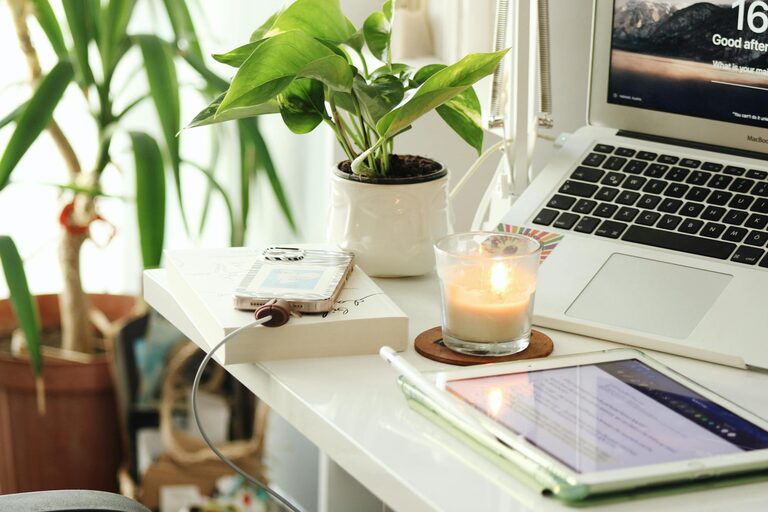
Creating a home office that is both cozy and productive can make a significant difference in your daily work experience. Whether you work remotely full-time or occasionally bring work tasks home, having a dedicated space that encourages focus without sacrificing comfort is essential. In this guide, we’ll explore practical tips to help you design a home office that you’ll enjoy spending time in and that supports your productivity.
Choose the Right Location
The first step in setting up your home office is selecting a location that suits your work style and home layout.
– Consider natural light: A space near a window provides natural daylight, which can boost mood and energy.
– Minimize distractions: Pick an area where family foot traffic and noise are low, helping you stay focused.
– Space needs: Ensure there’s enough room for your desk, chair, and any additional equipment or storage you require.
Even if you don’t have a separate room, a quiet corner or nook can be transformed into an effective workspace.
Invest in Comfortable and Functional Furniture
Comfort plays a big role in productivity. When you feel physically good, it’s easier to concentrate and work longer without discomfort.
– Ergonomic chair: Choose an adjustable chair that supports your back and encourages good posture.
– Appropriate desk: The desk should be at a height that allows your arms to rest comfortably while typing.
– Additional furniture: Consider shelves, filing cabinets, or drawers to store supplies and keep clutter off your workspace.
Remember, the goal is to create a space where you can work comfortably for hours.
Personalize Your Space with Thoughtful Decor
While functionality is key, a cozy environment helps reduce stress and makes working at home more enjoyable.
– Add plants: Indoor plants improve air quality and bring a touch of nature indoors.
– Use soft textiles: Throw pillows, rugs, or a cozy blanket can add warmth and texture.
– Incorporate artwork: Select artwork or photos that inspire you without overwhelming the space.
Personal touches make the office feel inviting and reflect your personality.
Optimize Lighting
Proper lighting reduces eye strain and maintains alertness.
– Layer your lighting: Combine ambient light (ceiling fixtures) with task lighting like desk lamps.
– Avoid glare: Position screens and lights to prevent glare, which can cause discomfort.
– Use adjustable lamps: Adjustable brightness helps tailor the light to different times of day and tasks.
If natural light is limited, consider daylight bulbs to mimic the natural spectrum.
Organize and Declutter Efficiently
A tidy workspace can help your mind stay clear and focused.
– Use organizers: Desk trays, cable management, and drawer dividers keep items accessible and off the surface.
– Keep only essentials visible: Store less frequently used items out of sight.
– Develop routines: Regularly declutter and clean your workspace to maintain order.
An organized environment decreases distractions and helps you find what you need quickly.
Incorporate Technology Wisely
Technology is central to most home offices, but it needs to be set up thoughtfully.
– Reliable internet: Ensure your workspace has a strong internet connection for smooth video calls and online tasks.
– Manage cords: Use cable clips and covers to keep cords neat and prevent tripping hazards.
– Invest in quality peripherals: A good keyboard, mouse, and headset can improve comfort and efficiency.
Technology should support your work, not add stress or clutter.
Establish Boundaries and Routine
Cozy and productive spaces are not just physical—they involve habits, too.
– Set specific work hours: Helps separate work and personal time and encourages focus during work periods.
– Designate your workspace: Avoid working from couches or beds to mentally distinguish your office zone.
– Create a startup and shutdown ritual: Starting your day with a checklist or tidying your desk at the end can improve work-life balance.
Clear boundaries make it easier to settle into work mode and relax afterward.
Add Comfort Features
Small comfort features can boost your satisfaction throughout the day.
– Temperature control: Keep a fan or heater nearby to adjust your comfort level without affecting the whole home.
– Snack station: Have water and healthy snacks close by to stay energized.
– Noise control: Noise-cancelling headphones or ambient sound machines can help drown out distracting noises.
A comfortable environment encourages sustained productivity and wellbeing.
—
Creating a cozy and productive home office is about balancing comfort with functionality. By carefully selecting your location, investing in ergonomic furniture, personalizing your space, and organizing effectively, you can create a workspace where you feel good and work well. Remember, regular upkeep and healthy work habits are just as important as the physical setup. With these tips, your home office can become a place you look forward to working in every day.